The Growth Marketing Strategy Sprint is a three-week engagement that gives you a clear answer to the question most growing businesses wrestle with: where should our next marketing dollar and hour go? We research your market, audit your funnel, define who you are really selling to, and hand over a channel plan and a 90-day experiment roadmap your team can start on immediately.
Overview
Many businesses run marketing as a collection of tactics: some Google Ads, some social posts, an email now and then. Each may work a little, but nobody can say with confidence which activities drive growth or what to try next. Growth marketing replaces that guesswork with a system: understand the customer, find the biggest constraint in the funnel, and run focused experiments to remove it.
The sprint is a fixed-scope, fixed-price project. Over three weeks we gather evidence, form a point of view and turn it into a practical plan. It does not include running campaigns or ad spend; if you later run paid media, that spend is paid directly to the ad platforms. If you want the background on the approach, read growth marketing vs. traditional marketing.
What’s included in detail
Research
We review your existing data, interview key stakeholders and, where possible, speak to or survey a small number of customers. We look at how competitors position themselves, which channels they appear on and where there are gaps you can own.
Funnel audit
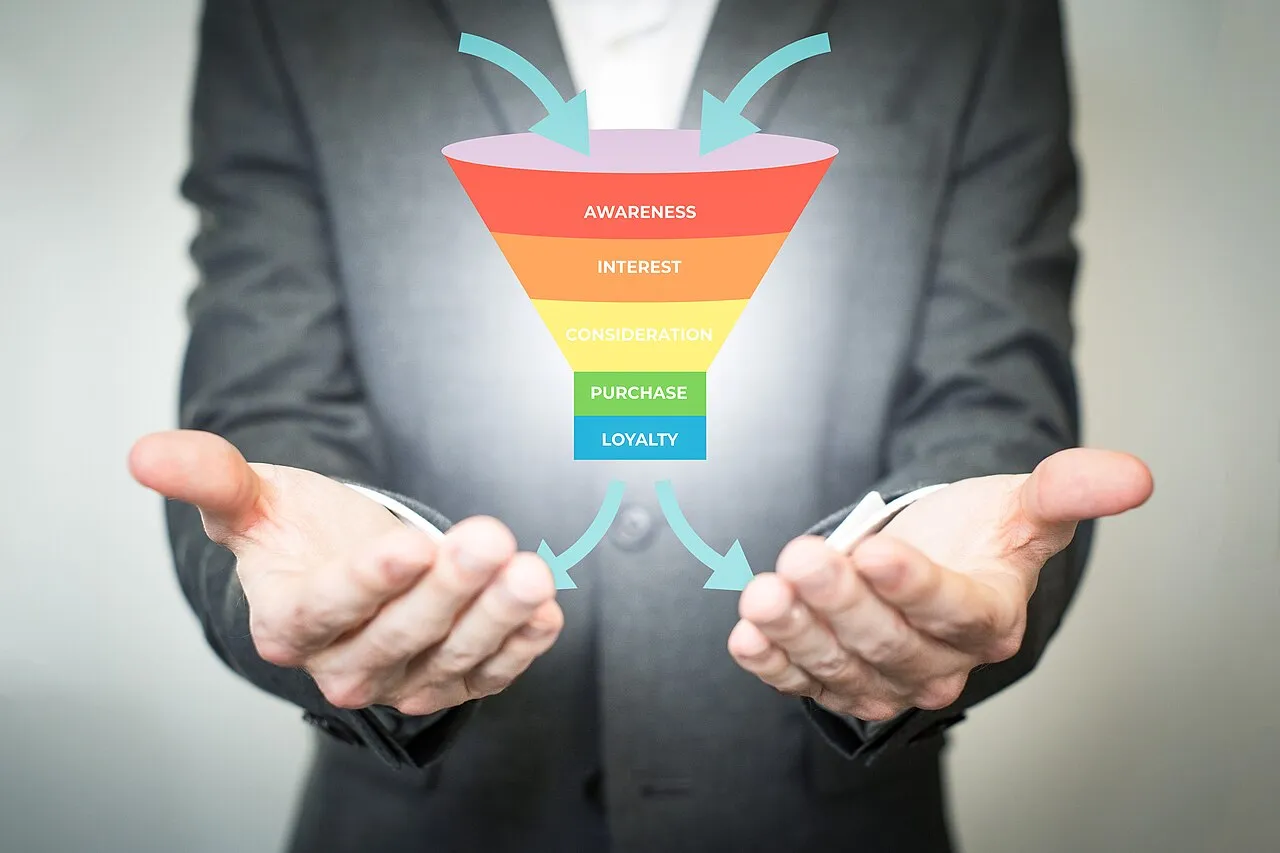
We map every stage from first touch to purchase and repeat purchase: traffic sources, landing pages, offers, forms or checkout, follow-up and retention. The goal is to find where prospects drop off and which fixes would have the most impact. Our article on full-funnel marketing strategy shows the framework we use.
Ideal customer profile
We define the customers most worth acquiring: who they are, what problem they are solving, what triggers them to buy, what objections they raise and what language they use. This becomes the foundation for targeting and messaging.
Channel plan
We recommend which channels to prioritize, which to test and which to pause, with guidance on budget split and the role each channel plays in the funnel. Recommendations are based on your customer, margins and sales cycle rather than on what is fashionable.
Measurement framework
We define the KPIs that matter at each stage, how they should be tracked and where your current setup has gaps.
90-day experiment roadmap
The core deliverable: a prioritized list of experiments, each with a hypothesis, the metric it should move, the effort involved and the order to run them in.
How it works
- Kick-off (week 1). A working session to align on goals, constraints and what success looks like. You share access to analytics, ad accounts and any existing research.
- Research and interviews (week 1). We interview stakeholders, review data and study competitors and customers.
- Funnel audit and ICP (week 2). We analyze each funnel stage, identify the main constraints and draft the ideal customer profile and messaging angles.
- Mid-sprint check-in (week 2). We share early findings so you can challenge assumptions before the plan is finalized.
- Channel plan and roadmap (week 3). We build the channel plan, measurement framework and 90-day experiment roadmap.
- Presentation and handover (end of week 3). We present the strategy live, record the walkthrough and answer questions.
Deliverables and reporting
- A written strategy document covering research findings, funnel audit, ICP and channel plan.
- A measurement and KPI framework.
- A 90-day experiment roadmap in spreadsheet form, ready to assign and track.
- A live presentation plus a recorded walkthrough for anyone who could not attend.
- A follow-up window for clarifying questions, with replies within one business day.
Pro tip: Invite whoever will execute the roadmap to the kick-off and final presentation. Plans get acted on when the people doing the work helped shape them.
Who it’s for
The sprint is a good fit for founders preparing for a new growth stage, marketing leads who need a defensible plan for leadership, and businesses that have tried several channels without a clear picture of what works. It is also a sensible first step before committing to an ongoing retainer, because it shows exactly where effort should go. Once the roadmap is ready, you can run it yourself or have us execute through PPC Advertising Management, Social Media Advertising Management or the Conversion Rate Optimization Program.
Sprint timeline
| Week | Focus | Output |
|---|---|---|
| Week 1 | Kick-off, data access, stakeholder interviews, competitor and customer research | Research notes and early hypotheses |
| Week 2 | Funnel audit, ideal customer profile, messaging angles, mid-sprint check-in | Funnel findings and draft ICP |
| Week 3 | Channel plan, measurement framework, experiment prioritization | Final strategy, 90-day roadmap and recorded walkthrough |
Want to talk through whether the sprint fits your situation? Schedule a call or compare all service packages.